
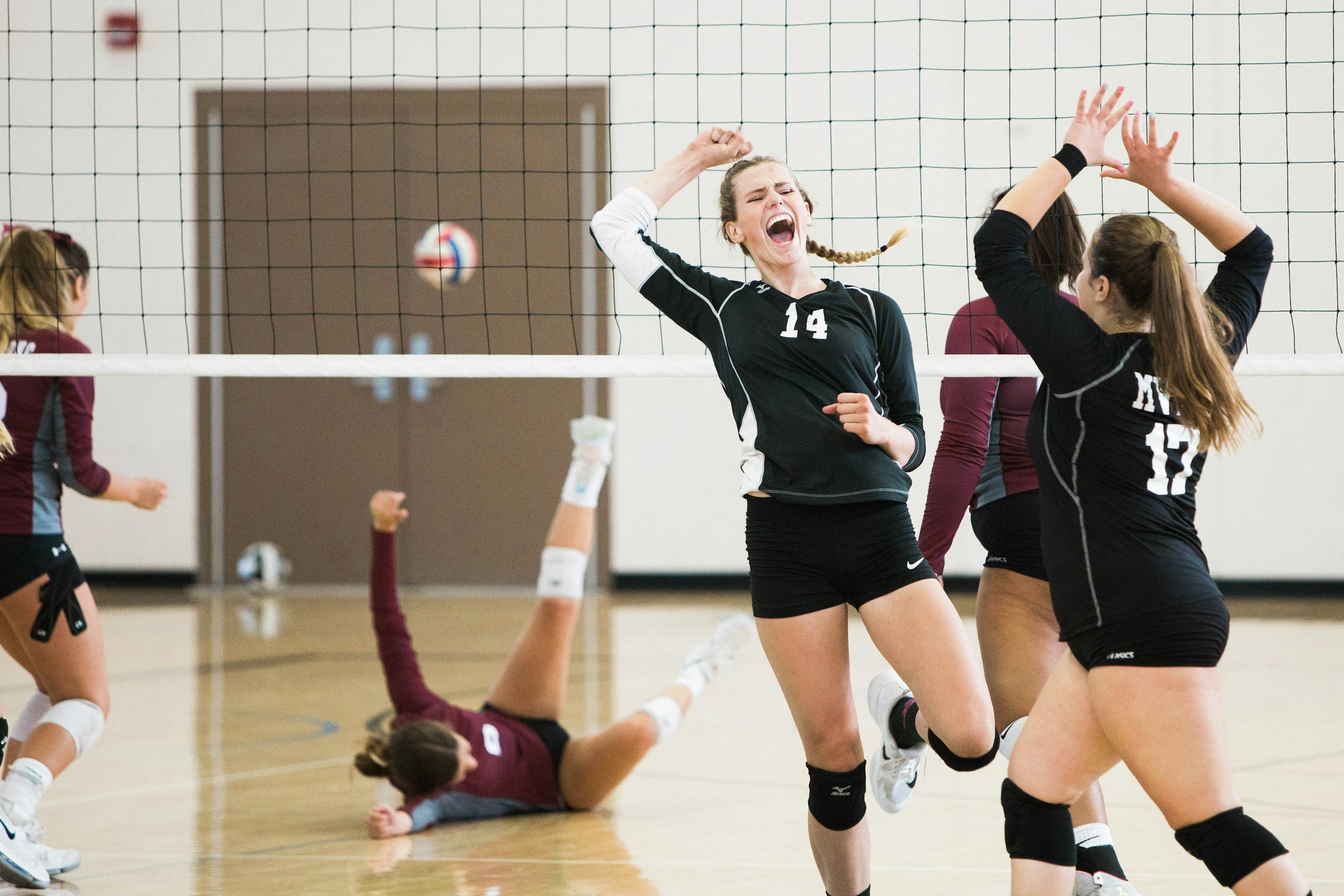
I see this all the time.
A player is showing up consistently. They’re playing on a team, going to practices, maybe even doing tournaments—and they’re still stuck at the same level.
Same passing issues. Same footwork problems. Same lack of confidence.
And the first conclusion people jump to is talent.
I don’t agree with that.
Most of the time, it’s not a talent problem.
It’s a training problem.
The Hard Truth About Coaching
Not all coaching environments are built for development.
That’s just reality.
Some practices are:
Low Level
Distracting
Too focused on running drills instead of actually teaching
A lot of players are getting crucial touches and experience—but they’re not getting better.
And one of the biggest differences I see between players who improve and players who stay stuck is this:
Players who improve take it upon themselves to be intentional and put in effort.
Getting better isn’t about going through the motions,
It’s:
breaking down movement
correcting small mistakes in real time
holding themselves accountable for how they execute
That’s where improvement actually starts.
Practice Alone Isn’t Enough
This is the other big one people don’t want to hear.
Team practice—especially at the younger levels—is great, but not enough to become a pro in just a few weeks.
There’s too much:
waiting in lines
rotating through drills
sharing attention with 10+ other players
So even in a 2-hour practice, a player might only get a limited number of meaningful reps.
That’s not a knock on teams—that’s just how group environments work.
While this may be true, it is also important to consider the incredible teamwork and fundamental skill training a group environment can offer.
If a player only touches a ball seriously 1–2 times a week, progress is going to be limited.
The Players Who Improve Faster Do This Differently
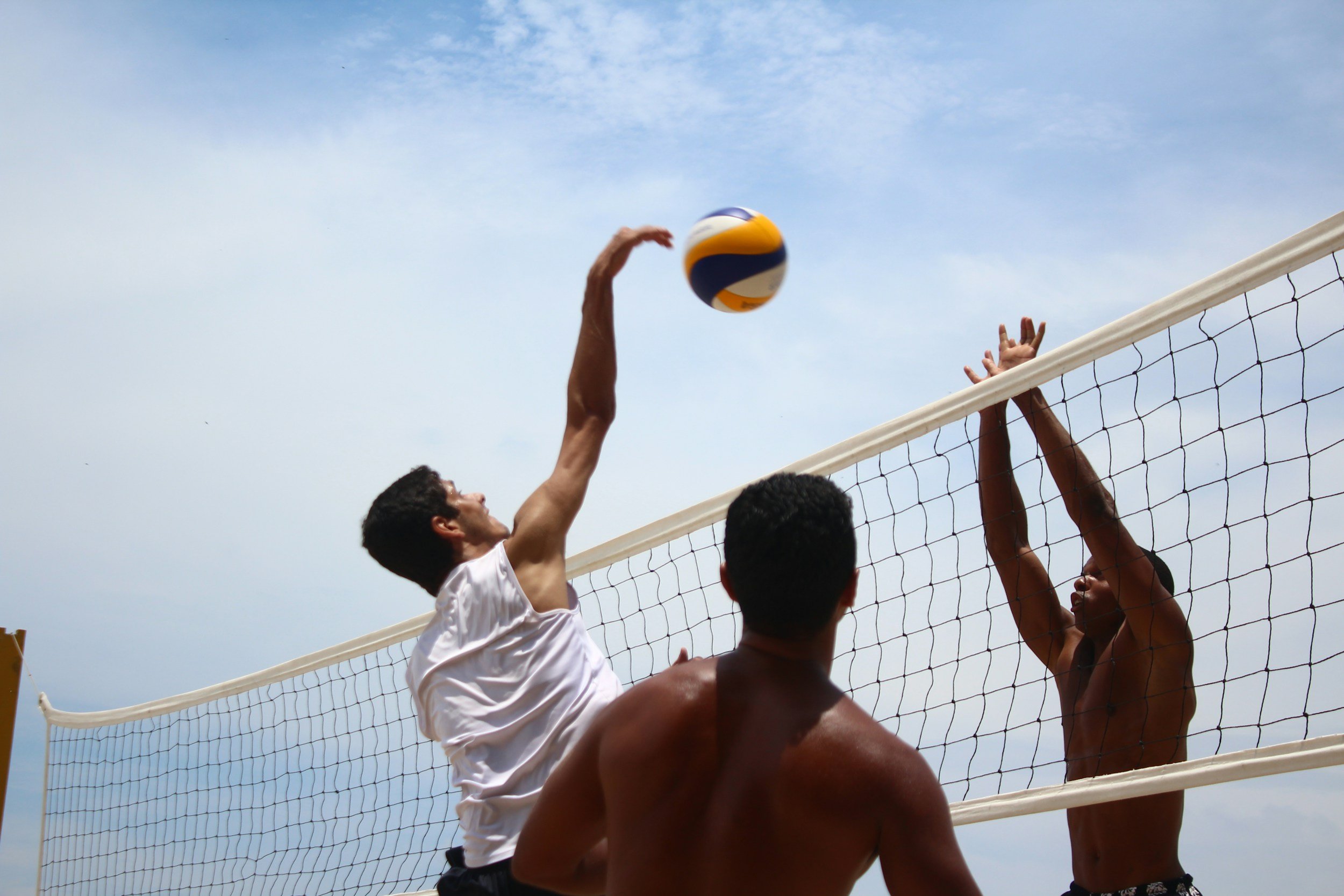
The athletes I see improve the fastest usually have a few things in common:
1. They get reps outside of practice
Not always anything crazy.
Sometimes it’s:
passing against a wall
working on footwork at home
getting extra touches in whenever they can
It adds up way more than people think.
10 minutes everyday = 3,000 extra minutes every year with 65 days off!
2. They train in environments where they’re corrected
They’re not just going through motions.
Someone is actually:
watching closely
pointing things out
making them fix it
That feedback loop is huge.
3. They stay consistent even when it’s boring
Improvement isn’t flashy.
It’s repeating the same movements until they become natural.
The players who stick with that are the ones who separate.
What I’ve Noticed Over Time
When a player trains on their own and moves from a random, inconsistent training setup into something more structured, a few things usually happen:
their mechanics start to clean up
they make fewer repeated mistakes
their confidence starts to build
Not overnight. But noticeably.
And it’s not because they suddenly became more “talented.”
It’s because the way they’re training changed.
If You’re Trying to Help Your Athlete Improve
This is what I’d focus on:
Make sure they’re getting quality coaching, not just activity
Encourage extra reps outside of practice, even if it’s simple
Keep things consistent, even when progress feels slow
That combination goes a long way.
Final Thought
Most players are capable of improving a lot more than they think.
In my experience, it almost always comes down to:
the quality of coaching
the amount of meaningful reps
and how consistent they are over time
Additionally, if you want to become the best volleyball player you can be, it must become a significant part of your life.
Again, not talent. GRIT.
If You Want Help Structuring Training
If you ever want help building a more consistent training setup or just figuring out what your athlete should be focusing on, that’s something we do a lot at SYVV.
You can check things out here if you want:
https://www.syvb.org
