
Santa Ynez Valley Volleyball: A Parent's Guide to Training, Club Volleyball, and Player Development

Volleyball has become one of the fastest-growing sports in the Santa Ynez Valley. Between the success of local high school programs, the growth of club volleyball, and increasing opportunities for young athletes, more families are looking for ways to help their players improve and reach the next level.
For many athletes in the valley, that journey begins with training.
Today, Santa Ynez Valley Volleyball (SYVV) has become the area's leading volleyball training program, providing year-round opportunities for athletes to develop their skills, build confidence, and prepare for school and club volleyball. From first-time players learning the fundamentals to experienced athletes preparing for high school tryouts and club competition, SYVV has helped create a clear developmental pathway for volleyball players throughout the valley.
At the high school level, volleyball continues to thrive. Programs such as Santa Ynez High School Pirates Volleyball have helped fuel interest in the sport and inspired younger athletes to pursue volleyball at increasingly competitive levels.
As players advance, many look toward club volleyball as the next step in their development.
One of the most established club volleyball organizations serving the Santa Ynez Valley is Flight Academy Volleyball Club. Flight Academy provides competitive club volleyball opportunities for athletes throughout the Central Coast and has become a popular destination for players seeking advanced competition, tournament experience, and higher-level coaching.
Together, SYVV and Flight Academy help create a strong volleyball pathway for local athletes.
For many players, the progression looks something like this:
Introduction to volleyball through local clinics and camps
Consistent training with SYVV
Middle school and high school competition
Club volleyball opportunities through Flight Academy
Advanced high school competition
Potential collegiate volleyball opportunities
This pathway allows athletes to build skills gradually while developing confidence and a genuine love for the game.
Why Training Matters More Than Most Parents Realize

Many parents believe that simply joining a team is enough to improve.
In reality, the athletes who improve the fastest are usually the ones receiving additional training outside of team practices.
While many team practices often include variations of fundamental training, team practices typically focus on systems, rotations, and game preparation. Individual training focuses on the skills that are necessary to build a strong foundation:
Passing
Serving
Attacking
Setting
Defensive movement
Volleyball IQ
Communication
The more quality repetitions an athlete receives, the faster they develop.
This is one of the primary reasons why local training programs have become such an important part of the volleyball landscape.
Why Families Choose SYVV
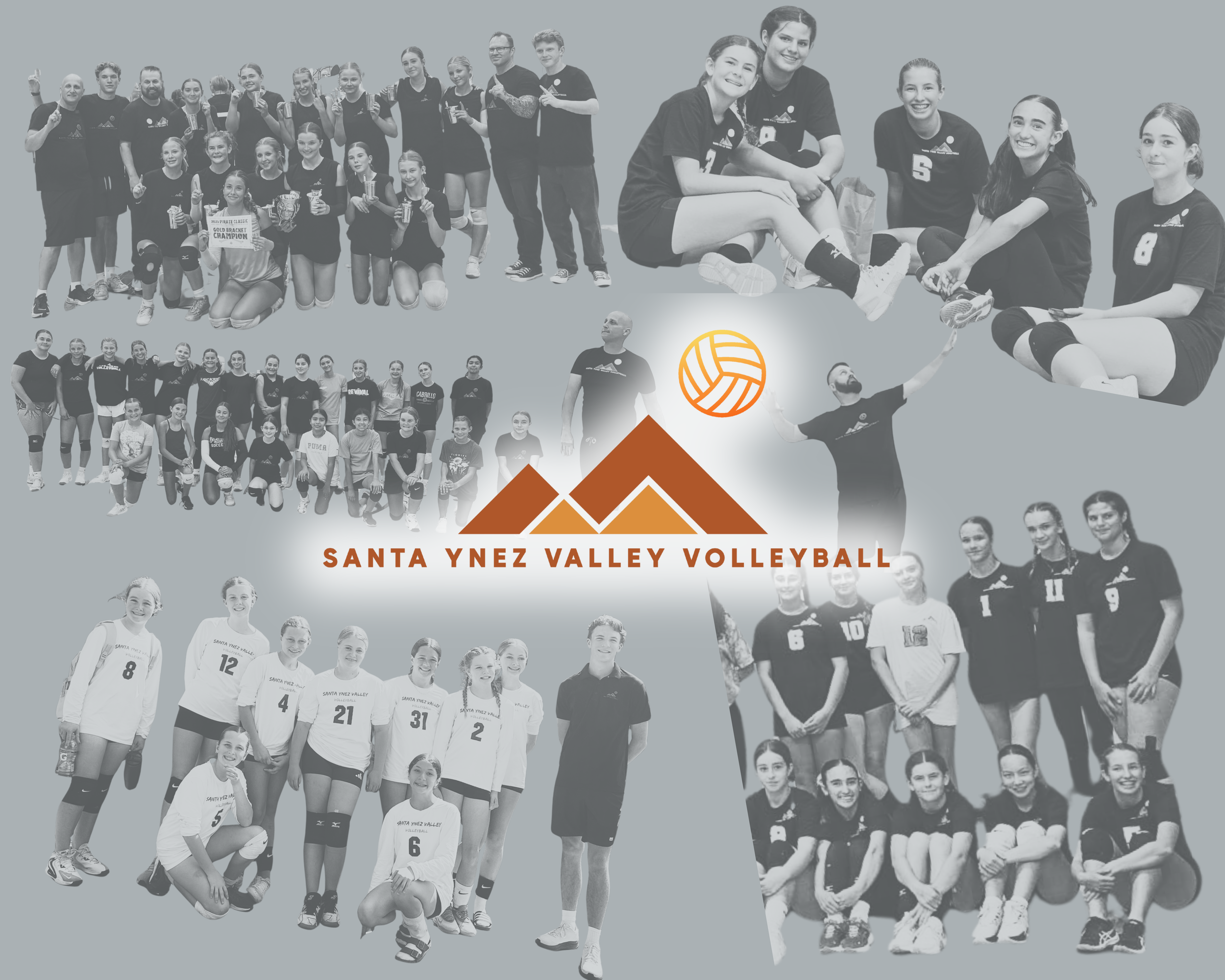
SYVV was built with one goal in mind: providing high-quality volleyball training opportunities right here in the Santa Ynez Valley.
Families choose SYVV because of:
Local Convenience
Athletes can access quality training without spending hours traveling outside the valley.
Consistent Development
Year-round clinics and training opportunities allow players to continue improving throughout the entire year.
Positive Environment
Players are challenged while still having fun and building confidence.
Preparation for the Next Level
Whether an athlete's goal is making a school team, earning a starting position, or preparing for club volleyball, training sessions are designed to build the skills necessary for long-term success.
Fun fact: In the last year, SYVV has pushed 20+ athletes on to high level Club or High school teams.
The Future of Volleyball in Santa Ynez Valley
The future of volleyball in the valley has never looked brighter.
With strong school programs, growing participation rates, quality training through SYVV, and club opportunities through Flight Academy, athletes now have a complete pathway to pursue their volleyball goals without leaving the community behind.
The result is a stronger volleyball culture, more opportunities for athletes, and a brighter future for the sport throughout the Santa Ynez Valley.
Ready to Get Started?
Whether your athlete is touching a volleyball for the first time or preparing for their next competitive season, consistent training is the fastest way to improve.
Santa Ynez Valley Volleyball offers programs for players of all ages and skill levels, helping athletes develop the confidence, fundamentals, and work ethic needed to succeed both on and off the court.
Explore current programs and registration opportunities at syvb.org and take the next step in your athlete's volleyball journey.
The Biggest Mistakes Players Make at Volleyball Tryouts
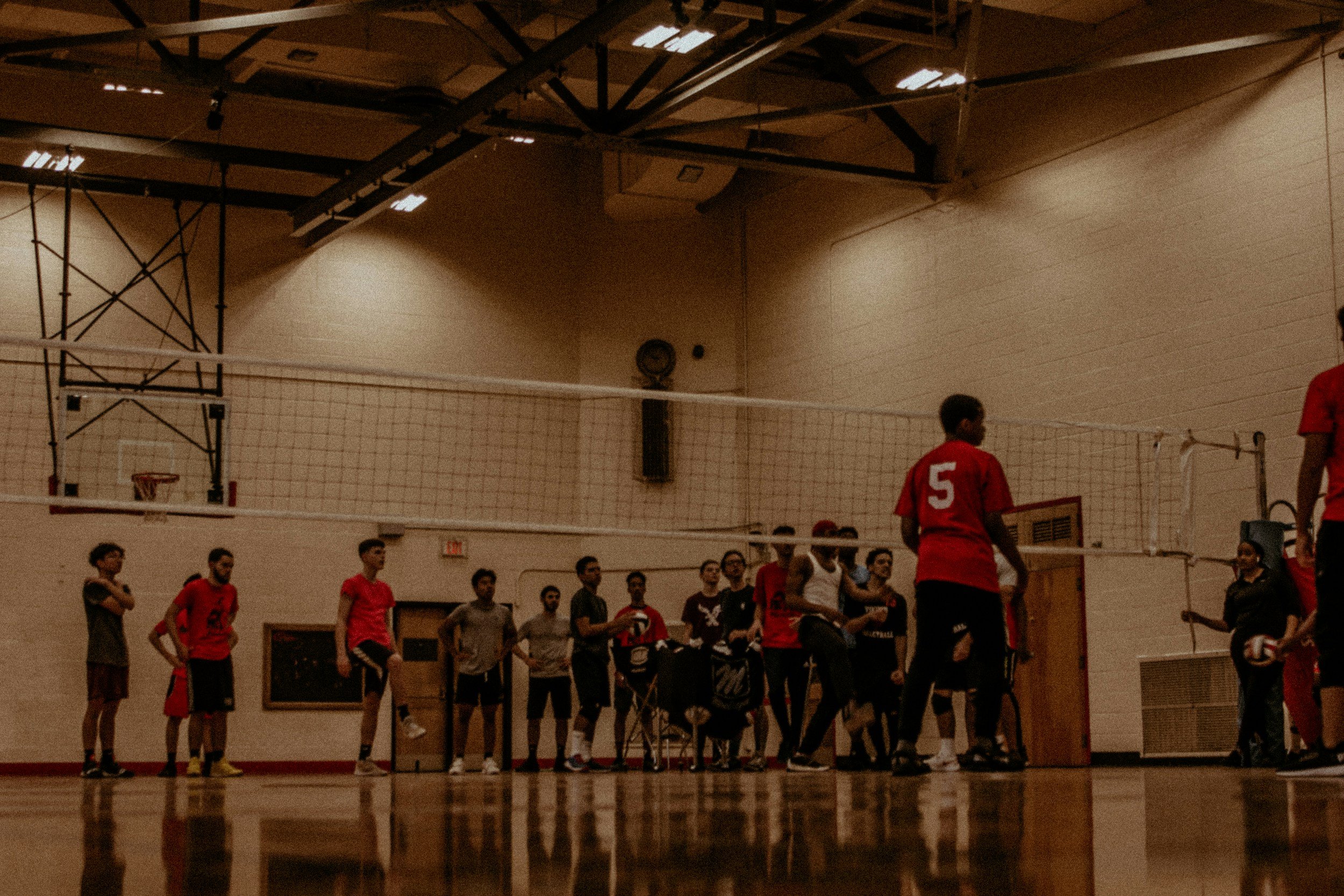
High school volleyball tryouts are right around the corner, and every year players make the exact same mistakes.
Some athletes walk into tryouts thinking they need to be the most athletic player in the gym. Others try to impress coaches by swinging hard every ball or acting overly confident.
Most of the time, that stuff backfires.
The truth is, coaches usually notice the small things first:
Effort
Communication
Consistency
Attitude
Coachability
If you want to stand out at tryouts, avoid these major mistakes.
1. Being Quiet
This is probably the biggest mistake players make.
Volleyball is a communication sport. If you are silent during drills, coaches immediately notice.
You should constantly be calling:
“Mine!”
“Free!”
“Out!”
“Help!”
“Short!”
“Line!”
Even if you are nervous, communicate anyway.
Quiet players often look unsure or disconnected from the team. Loud, confident communication instantly makes you look more experienced.
2. Giving Up on Balls
Nothing kills a coach’s impression faster than lazy effort.
If a ball is shanked, chase it.
If there’s a bad pass, go after it.
If you make a mistake, reset immediately.
THE BALL DOESN’T HIT THE GROUND WITHOUT YOU HITTING THE GROUND!
Coaches LOVE players who compete hard every single rep.
You do not need to be perfect. But you absolutely need to show effort.
Hustle stands out fast.
3. Trying Too Hard to Impress
A lot of players panic at tryouts and start playing reckless volleyball.
They:
Swing every ball as hard as possible
Serve way too aggressively
Force difficult plays
Try to look flashy
That usually leads to errors.
Coaches are not searching for chaos. They are searching for reliable players they can trust during matches.
Simple, controlled volleyball wins.
A player who passes consistently and communicates well is often more valuable than a player making random highlight plays.
4. Bad Body Language
This one destroys players without them realizing it.
After mistakes, some players:
Roll their eyes
Throw their hands up
Shut down emotionally
Look angry or frustrated
Coaches notice ALL of it.
Nobody wants negative energy on a team.
The best players recover quickly after mistakes and move on to the next play.
Volleyball is a game of errors. Mental toughness matters.
Think, Gold Fish Mentality!
5. Ignoring Coaching Feedback
If a coach gives you advice during tryouts, apply it immediately.
This is huge.
Coaches want athletes who are:
Coachable
Adaptable
Willing to learn
Even small adjustments matter.
If a coach tells you:
“Move your feet more”
“Start your approach earlier”
“Hold your platform”
…and you instantly try to fix it, that makes a strong impression.
Talent matters. Coachability matters more than most players think.
6. Serving Too Aggressively
Serving is one of the fastest ways coaches evaluate players.
But too many athletes miss multiple serves trying to hit the ball 100 mph.
That’s not helping you.
A smart, controlled serve with good placement is far more valuable than a missed “power” serve.
Get the ball in consistently first.
Then add aggression.
7. Looking Unprepared
Showing up late, exhausted, or disorganized already puts you behind.
Before tryouts:
Hydrate properly
Eat real food
Sleep enough
Arrive early
Warm up seriously
Bring:
Water
Knee pads
Proper shoes
Extra shirt if needed
Preparation shows maturity.
Coaches notice who takes tryouts seriously.
8. Comparing Yourself to Everyone Else
This mistake ruins confidence fast.
At tryouts, there will always be:
Bigger players
Stronger hitters
More experienced athletes
Who cares.
Focus on YOUR job:
Compete hard
Be loud
Be coachable
Control your side of the court
Coaches build teams with many different roles. Not everyone needs to be the star hitter.
Sometimes the player who makes the team is simply the most dependable athlete in the gym.
Final Thoughts

Volleyball tryouts are stressful. That’s normal.
But most players overcomplicate things.
The athletes who stand out are usually the ones who:
Communicate
Hustle
Stay positive
Play under control
Respond well to coaching
That’s what coaches remember.
If you want extra reps before tryouts, consistent training and game-like practice can make a huge difference in confidence and performance heading into the season.
At Santa Ynez Valley Volleyball, we focus heavily on:
Ball control
Communication
Confidence
High school preparation
Game-like training environments
Girls high school volleyball tryouts are coming fast. Start preparing now instead of waiting until the week before tryouts.
Inspired by SYVV’s ongoing player development and volleyball content strategy planning.

Injuries in Youth Volleyball (And How to Prevent Them)

Youth volleyball is one of the fastest-growing sports—but injury rates are climbing right with it. The majority of these injuries are preventable, and they almost always come down to poor training structure, overuse, or lack of physical preparation.
This matters. If athletes get hurt early, they fall behind, lose confidence, or quit altogether.
Most Common Youth Volleyball Injuries
Shoulder Overuse Injuries

Caused by repetitive hitting and serving
Often linked to weak rotator cuff and poor mechanics
Symptoms: soreness, reduced power, tightness
Why it happens: Young athletes repeat high-speed arm swings without building shoulder stability first.
Knee Injuries (Patellar Tendonitis / Jumper’s Knee)

Caused by frequent jumping and poor landing technique
Symptoms: pain below the kneecap, especially when jumping
Why it happens: Athletes train jumping volume but never learn how to absorb force properly.
Ankle Sprains
Common during blocking or landing on another player
Symptoms: swelling, instability, pain when walking
Why it happens: Poor spatial awareness + lack of balance training.
Lower Back Pain

Caused by excessive arching during hitting
Often linked to weak core muscles
Root Causes (What’s Actually Going Wrong)
Most youth injuries aren’t accidents—they’re patterns:
Overtraining: Too many sessions, not enough recovery
Poor mechanics: No emphasis on movement quality
Lack of strength training: Athletes aren’t physically prepared
Year-round play: No off-season = no recovery window
Unstructured coaching: Random drills instead of progression
Injury Prevention Strategies (What Actually Works)
1. Manage Training Volume
2–3 structured sessions per week is optimal for most youth athletes
Avoid stacking multiple intense sessions back-to-back
Key principle: Adaptation happens during recovery, not just training.
2. Teach Proper Movement Mechanics
Focus areas:
Jumping and landing technique
Hitting form (efficient, not forced power)
Footwork and court positioning
Goal: Reduce unnecessary stress on joints.
3. Build Foundational Strength
Essential areas:
Lower body: squats, lunges
Core: planks, anti-rotation work
Shoulders: resistance band exercises
Why it matters: Strength stabilizes joints and absorbs impact forces.
4. Use Effective Warm-Ups
A proper warm-up should include:
Dynamic movement (skips, lunges, mobility)
Activation (glutes, core, shoulders)
Gradual increase in intensity
Avoid: static stretching before play—it doesn’t prepare the body for movement.
5. Prioritize Recovery
1–2 rest days per week
8+ hours of sleep for youth athletes
Light mobility or stretching post-training
Recovery is part of training, not optional.
6. Monitor Early Warning Signs
Watch for:
Persistent soreness (especially shoulders or knees)
Decreased performance
Fatigue or lack of energy
Addressing these early prevents long-term injuries.
Long-Term Athlete Development
The goal isn’t just short-term improvement—it’s sustainable progress.
Athletes who:
Learn proper mechanics early
Build strength alongside skill
Train with structured progression
…are significantly more likely to succeed at higher levels without injury.
Final Take
Youth volleyball injuries are largely avoidable. The difference comes down to how athletes train, not just how much.
Smart training reduces injury risk
Stronger athletes are more durable
Proper technique protects the body
Want Structured, Safe Development?
If you're training in the Santa Ynez Valley, finding a program that prioritizes mechanics, strength, and recovery is critical.
That’s how athletes stay healthy—and actually improve over time. Learn More at https://www.syvb.org

Why Your Kid Isn’t Improving in Volleyball (And It’s Not Talent)
I see this all the time.
A player is showing up consistently. They’re playing on a team, going to practices, maybe even doing tournaments—and they’re still stuck at the same level.
Same passing issues. Same footwork problems. Same lack of confidence.
And the first conclusion people jump to is talent.
I don’t agree with that.
Most of the time, it’s not a talent problem.
It’s a training problem.
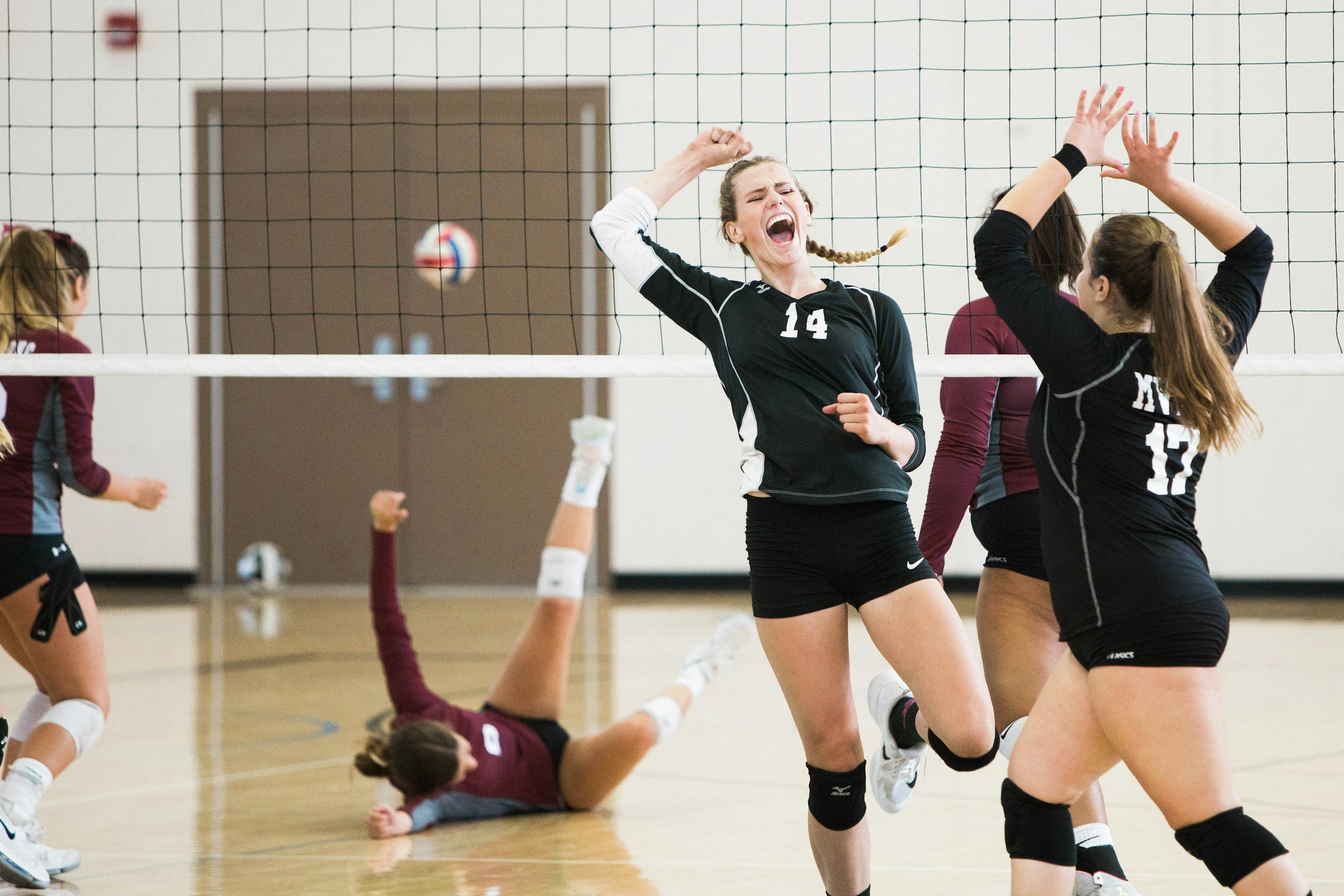
I see this all the time.
A player is showing up consistently. They’re playing on a team, going to practices, maybe even doing tournaments—and they’re still stuck at the same level.
Same passing issues. Same footwork problems. Same lack of confidence.
And the first conclusion people jump to is talent.
I don’t agree with that.
Most of the time, it’s not a talent problem.
It’s a training problem.
The Hard Truth About Coaching
Not all coaching environments are built for development.
That’s just reality.
Some practices are:
Low Level
Distracting
Too focused on running drills instead of actually teaching
A lot of players are getting crucial touches and experience—but they’re not getting better.
And one of the biggest differences I see between players who improve and players who stay stuck is this:
Players who improve take it upon themselves to be intentional and put in effort.
Getting better isn’t about going through the motions,
It’s:
breaking down movement
correcting small mistakes in real time
holding themselves accountable for how they execute
That’s where improvement actually starts.
Practice Alone Isn’t Enough
This is the other big one people don’t want to hear.
Team practice—especially at the younger levels—is great, but not enough to become a pro in just a few weeks.
There’s too much:
waiting in lines
rotating through drills
sharing attention with 10+ other players
So even in a 2-hour practice, a player might only get a limited number of meaningful reps.
That’s not a knock on teams—that’s just how group environments work.
While this may be true, it is also important to consider the incredible teamwork and fundamental skill training a group environment can offer.
If a player only touches a ball seriously 1–2 times a week, progress is going to be limited.
The Players Who Improve Faster Do This Differently
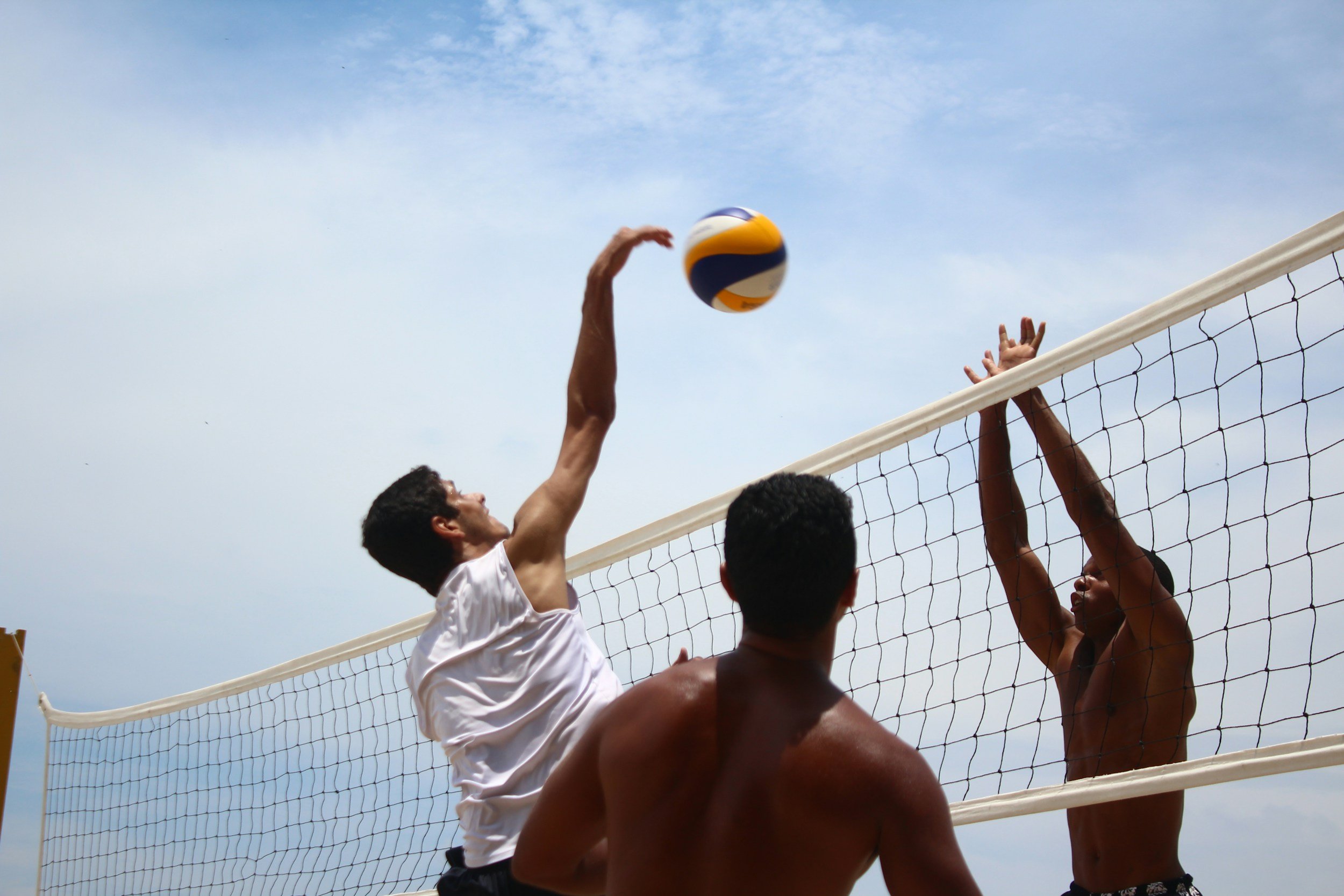
The athletes I see improve the fastest usually have a few things in common:
1. They get reps outside of practice
Not always anything crazy.
Sometimes it’s:
passing against a wall
working on footwork at home
getting extra touches in whenever they can
It adds up way more than people think.
10 minutes everyday = 3,000 extra minutes every year with 65 days off!
2. They train in environments where they’re corrected
They’re not just going through motions.
Someone is actually:
watching closely
pointing things out
making them fix it
That feedback loop is huge.
3. They stay consistent even when it’s boring
Improvement isn’t flashy.
It’s repeating the same movements until they become natural.
The players who stick with that are the ones who separate.
What I’ve Noticed Over Time
When a player trains on their own and moves from a random, inconsistent training setup into something more structured, a few things usually happen:
their mechanics start to clean up
they make fewer repeated mistakes
their confidence starts to build
Not overnight. But noticeably.
And it’s not because they suddenly became more “talented.”
It’s because the way they’re training changed.
If You’re Trying to Help Your Athlete Improve
This is what I’d focus on:
Make sure they’re getting quality coaching, not just activity
Encourage extra reps outside of practice, even if it’s simple
Keep things consistent, even when progress feels slow
That combination goes a long way.
Final Thought
Most players are capable of improving a lot more than they think.
In my experience, it almost always comes down to:
the quality of coaching
the amount of meaningful reps
and how consistent they are over time
Additionally, if you want to become the best volleyball player you can be, it must become a significant part of your life.
Again, not talent. GRIT.
If You Want Help Structuring Training
If you ever want help building a more consistent training setup or just figuring out what your athlete should be focusing on, that’s something we do a lot at SYVV.
You can check things out here if you want:
https://www.syvb.org

How SYVV Started (And What We’re Actually Trying to Build)
It all started on March 25, 2023, with about 10-15 kids in a gym.
It was originally founded by Travis Lishman and Taulbee McGinnis, with the help of Eric Klinedinst who are both still involved as coaches today. At the time, it was simple—just getting players in the gym, working on fundamentals, and trying to help them improve.
It all started on March 25, 2023, with about 10-15 kids in a gym.
It was originally founded by Travis Lishman and Taulbee McGinnis, with the help of Eric Klinedinst who are both still involved as coaches today. At the time, it was simple—just getting players in the gym, working on fundamentals, and trying to help them improve.
The Transition
About two years in, things shifted.
Travis and Taulbee both got busier, and the program was handed over to me.
At the time, I was 16 years old, playing high school and club volleyball.
Not exactly the typical person running a training program—but I saw the opportunity and decided to take it seriously.
One of the first things I did was build out a website and start organizing things in a more structured way.
The goal was simple:
Grow the program and build something that actually helps the volleyball community in the valley.
Early Growth
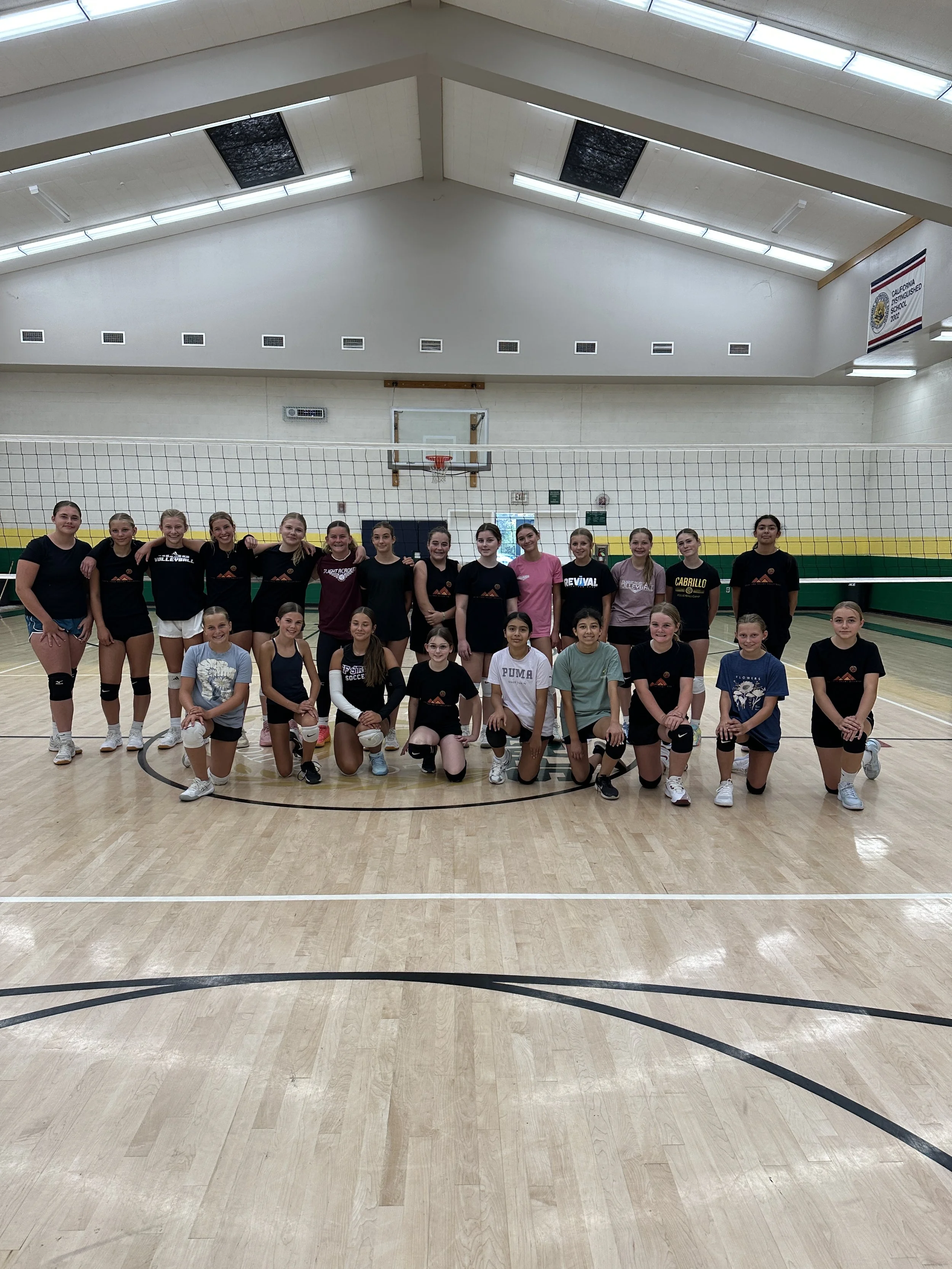
Early Summer 2025 Clinic Group
That summer things started to move.
The program grew quickly and began averaging around 30–35 athletes per week.
More players. More consistency. Better energy in the gym.
And more importantly, we started to see real improvement in the athletes who were showing up consistently.
First Competitive Step

2025 VC Pirate Classic Champions
Not long after that, we decided to take a step further.
We put together a higher-level team and competed in the Ventura College Pirate Classic for the second year in a row.
We ended up winning the tournament.
That was a big moment—not just because of the result, but because it showed what was possible when players trained consistently in the right environment.
Building Momentum
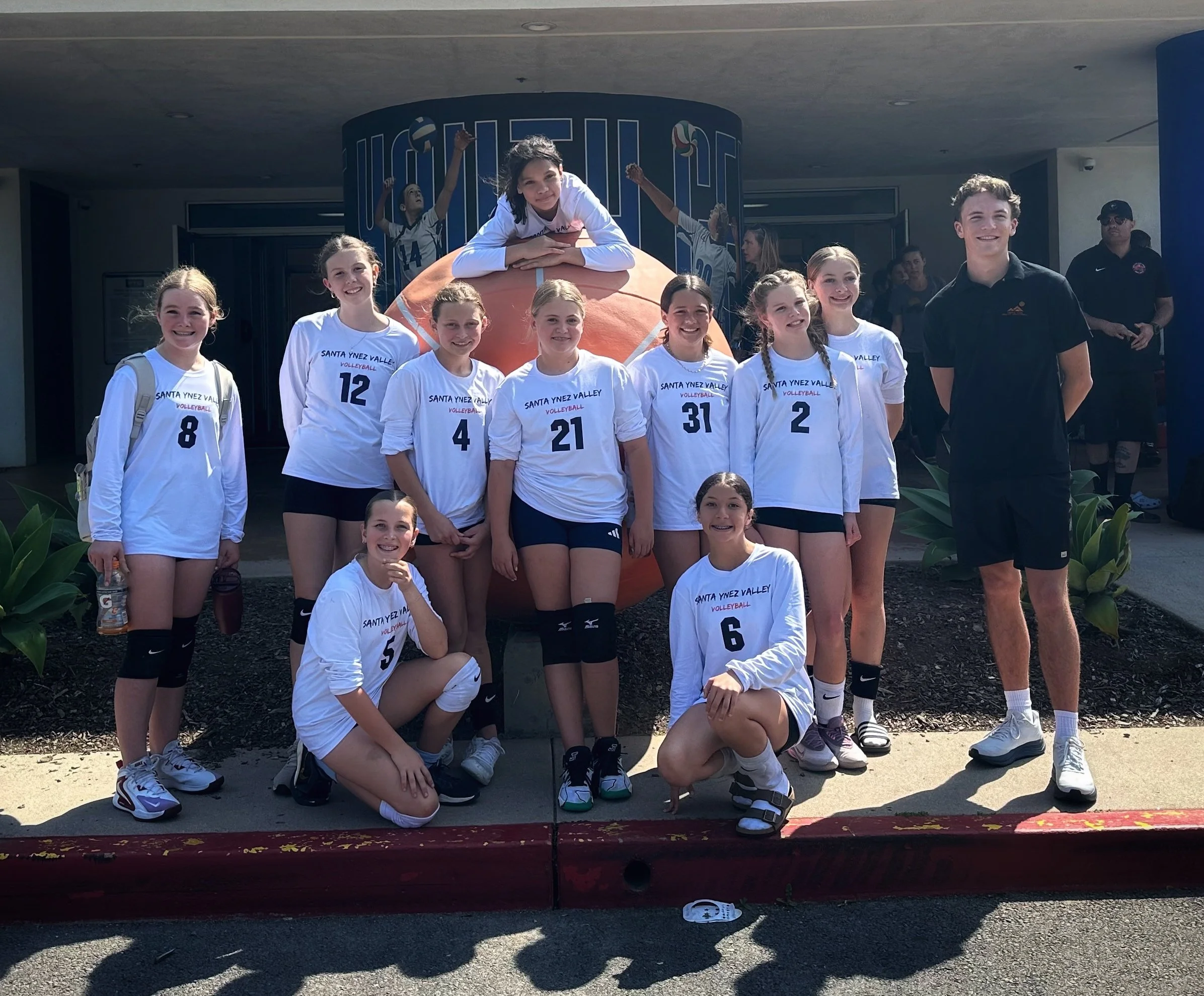
2026 Blenders Tournament Team @Page Youth Center
Going into Winter–Spring 2025, the clinics took off.
We had strong turnout, a solid group of athletes, and a lot of support from the community.
From there, we added a Blenders team, competing in tournaments run through the Santa Barbara Volleyball Club.
That gave players more opportunities to compete, not just train.
Where We Are Now
Now heading into Summer 2026, things have expanded quite a bit.
We’ve:
launched a boys program
continued building out structured clinics
The goal is still the same.
What This Is Really About
At the end of the day, this isn’t about running the biggest program.
It’s about:
growing the volleyball community in the valley
giving players a place to improve consistently
helping prepare athletes for high school and club volleyball
That’s it.
Looking Forward
We’re still building.
Still refining. Still improving.
But everything we’re doing is pointed in the same direction:
Create a better training environment for players who actually want to get better.
If You Want to Be Part of It
If you’re looking for a more structured way to train or just want to get more consistent reps in, you can check out our programs here: